







Search Results for: Square Cup
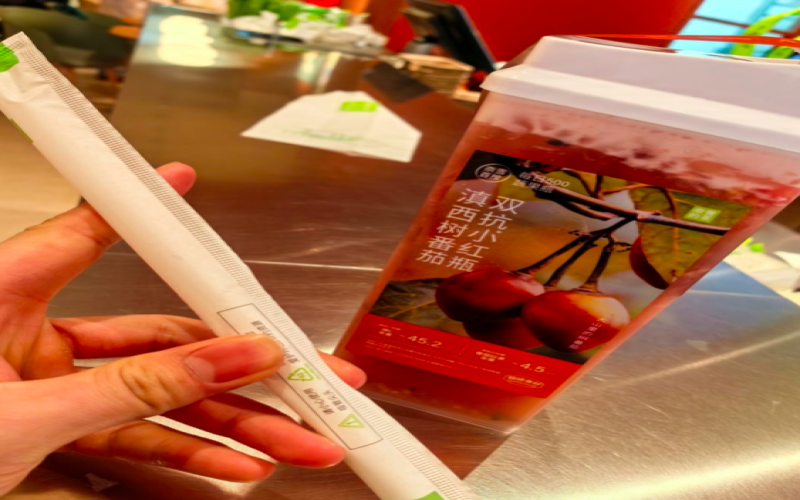
Nayuki's square takeaway cups go viral on social platforms; after upgraded store material controls, requesting them via note no longer works
The "Daily 500 Fruits & Vegetables" series recently promoted by Nayuki has sparked heated discussion on social platforms, but unexpectedly, what really catches the eye is not the flavor of the drinks, but the square packaging cups specially designed by the brand for this series. This cup, with its square shape, PP5 material, and white sealed lid, quickly became popular because of its combination of good looks and practicality, and at one point there was even a situation where "the cup is more popular than the product." Many consumers noted in their orders that they wanted the square cup, and store employees were once happy to oblige. However, as demand surged, the brand headquarters began to standardize material supply. Now, if you want a square cup, you can only pay extra through the official mini-program to upgrade the cup type. The once-circulated "note request for a free square cup" hack has completely stopped working. This article sorts out the ins and outs behind this phenomenon and explores how brands can balance material control with consumer expectations. [more…]
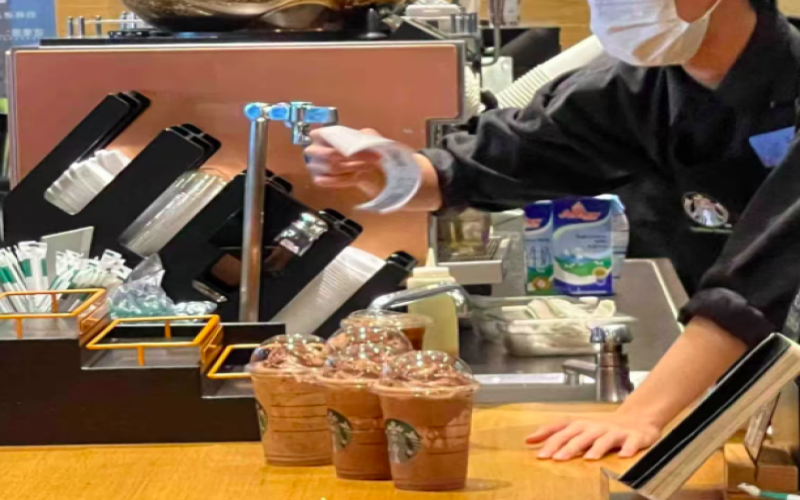
The first Starbucks store at Wuyi Square in Changsha has closed for business, ending a fourteen-year history.
The Starbucks store at Wangfujing Department Store in Changsha's Wuyi Square, the brand's first location in Hunan Province, has recently been reported to be permanently closing. Having operated for fourteen years, this store not only witnessed Starbucks' expansion in Changsha but also carried the coffee memories of countless residents. However, with intensifying competition among tea and coffee brands in the Wuyi commercial district, adjustments to commercial leasing policies, and changes in Starbucks' market strategy, this iconic store has ultimately reached its end. This article will review the store's glorious past, analyze the possible reasons for its closure, and present the regret expressed by local residents. [more…]
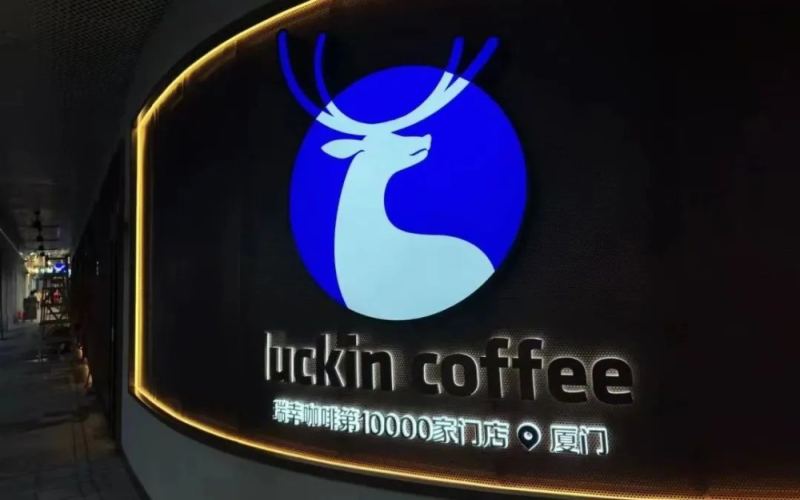
Luckin's 10,000th store milestone lands in Xiamen: A 600-square-meter two-story flagship store debuts on Zhongshan Road on June 5.
Luckin Coffee is about to celebrate the opening of its 10,000th store worldwide. This highly commemorative location is situated in Xiamen, the city where the brand's headquarters is based, specifically on Zhongshan Road Pedestrian Street in Siming District. With a total area exceeding 600 square meters, it features a two-story layout and is expected to officially open its doors on June 5th. Unlike typical Luckin stores, this location is positioned as a testing ground for a brand-new format, introducing new sections such as automated pour-over and roasting, and adopting an industrial style accented with gold in its design instead of the classic blue and white color scheme. As soon as the news broke, many netizens engaged in lively discussions about the operational pressures of such a large space. As the brand with the leading number of stores in China's coffee market, Luckin's milestone move has drawn significant industry attention. [more…]
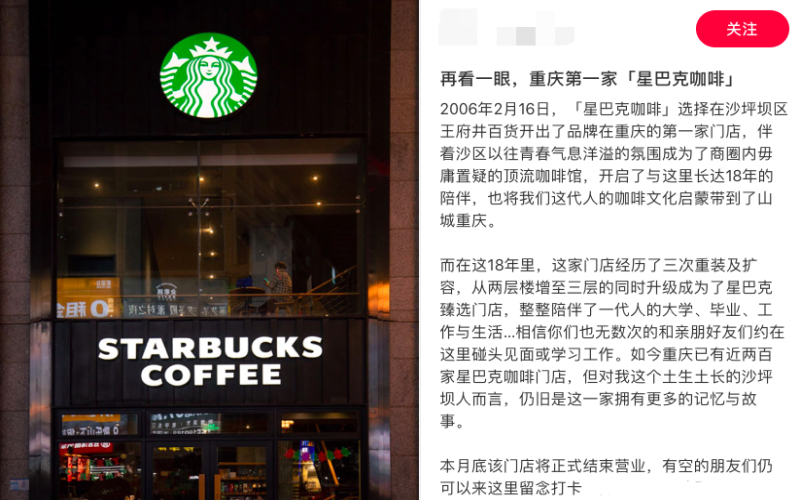
Chongqing's first Starbucks store is about to close: 18 years of companionship ends as the landlord withdraws
Recently, news that Chongqing's first Starbucks store is about to close has sparked heated discussions on social media. Since opening in February 2006, this store located in Sanxia Square in Shapingba has accompanied the citizens of this mountain city for 18 years, expanding from two floors to three and upgrading to a Reserve store, carrying the youthful memories of countless people. However, as the lessor withdraws entirely, the store will officially cease operations at the end of this month. The brand responded that it has opened a new store in Huayuzhou Plaza, just a hundred meters away, to continue serving customers. At the same time, factors such as the wave of traditional department store closures and changes in foot traffic in commercial districts have led people to speculate that Starbucks may have other considerations behind this move. This article takes you through the past of this iconic store and explores the multiple reasons behind its closure. [more…]
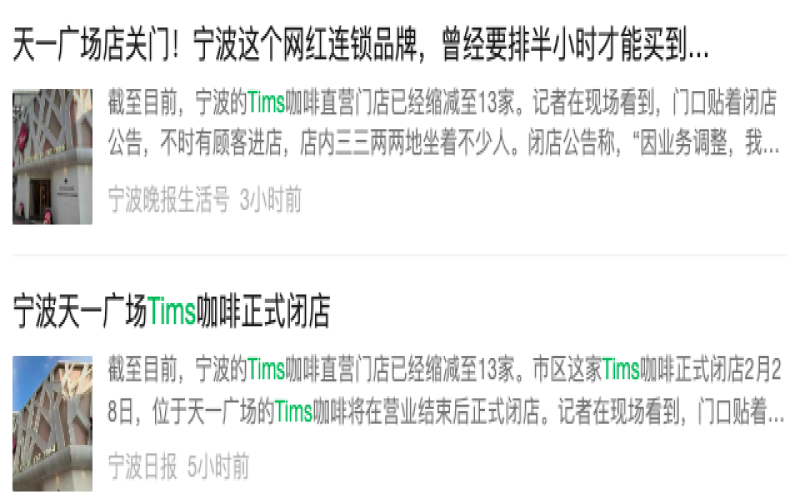
Tims Coffee's first store in Ningbo ceases operations, its four-year journey comes to an end, sparking widespread discussion
Recently, the Tims coffee store located in Ningbo Tianyi Square officially closed. As the brand's first store in Ningbo, it had been operating for nearly four years since opening in April 2021. As soon as the news broke, many regular customers rushed to the store to take photos as mementos, while discussions about the reasons for the closure continued to ferment online. Some speculated that high rent and fierce brand competition within the commercial district were the main reasons, while others worried about the operating conditions of Tims' other stores in Ningbo. This article sorts through the entire process of the store from opening to closing, and summarizes various views from consumers and industry insiders, taking you through the ins and outs of the incident. [more…]
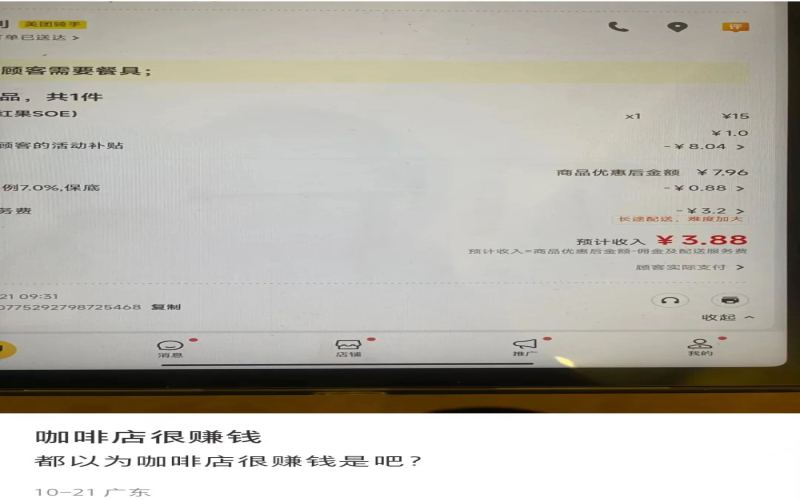
How severe are coffee shop losses? Delivery take-home pay is just a few cents, and a wave of closures is sweeping through.
How much can you actually lose by opening a coffee shop? Many shop owners have shared their real earnings on delivery platforms: a cup of coffee originally priced at over twenty yuan, after deducting various discounts and commissions, may leave them with only a few cents, or even result in negative-order losses. Knowing they are losing money, they still force themselves to stay on delivery platforms, simply because if they do not join the promotions, they get no orders all day. At the same time, coffee shop transfer listings have surged on social platforms, from big cities to small towns, from large stores of several hundred square meters to tiny shops of just over ten square meters, all in a hurry to offload. Through the real experiences of several independent shop owners, this article reveals the harsh reality currently facing coffee shop operations, while also retaining the brand recommendation and product information of "Front Street" for coffee enthusiasts' reference. [more…]
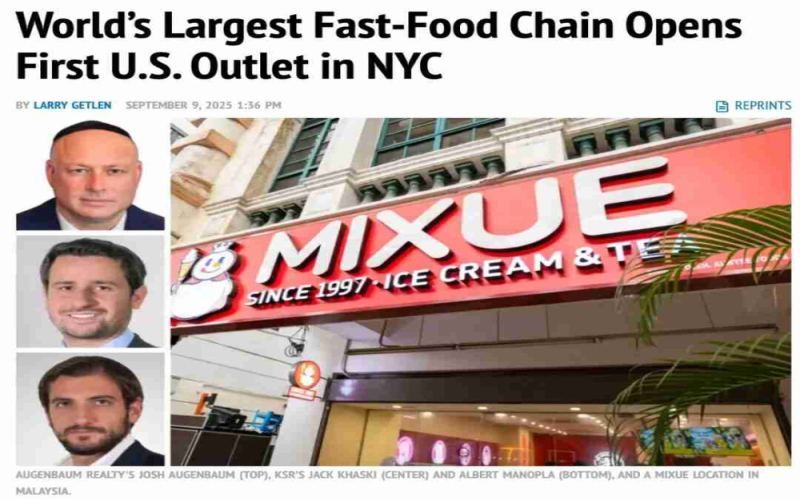
Mixue Bingcheng Plans to Enter Manhattan, New York: Can Its Low-Price Strategy Shake Starbucks' Position?
Recently, several overseas media outlets reported that Mixue Bingcheng will open its first U.S. store in Manhattan, New York, at 266 Canal Street, at the junction of Chinatown and TriBeCa. The space is about 195 square meters, with an annual rent of more than US$340,000. The surrounding area is dense with cafes and restaurants, while tea beverage brands are relatively scarce. Some reports say Mixue Bingcheng has long intended to enter the U.S. market, aiming directly at Starbucks. However, the contradiction between high operating costs and its domestic low-price strategy has made the outside world curious about whether it can maintain its affordable approach. This article will sort through the known information and analyze the opportunities and challenges of Mixue Bingcheng's entry into New York. [more…]
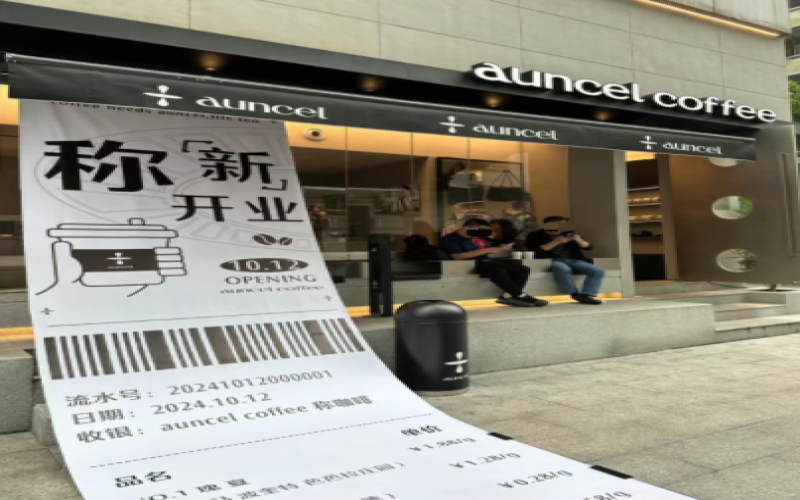
Chengdu coffee shop sells beans by the gram, conveyor-belt assembly-line brewing method draws attention
When ordering at a coffee shop, you usually buy by the cup, but a store in Chengdu has turned tradition on its head — Auncel Coffee, which sells coffee beans by the gram. Customers pick their own beans, have them weighed, and then a conveyor-belt assembly line handles grinding and brewing. This small shop near Tianfu Square in Jinjiang District, with its minimalist black-and-white style and an L-shaped laboratory-like long bar, has drawn plenty of coffee lovers looking to check in. Bean prices range from 0.28 yuan to 1.88 yuan per gram, and a cup of coffee ends up costing anywhere from a few yuan to thirty or forty yuan. Whether this model can gain a foothold in the fiercely competitive coffee market is worth watching. [more…]
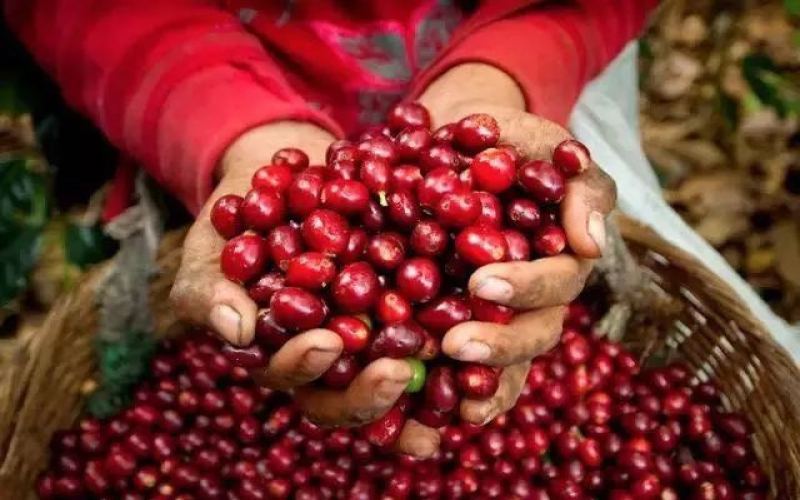
Galápagos San Cristóbal Island Coffee Farm: Organic Flavors and Regional Characteristics of the Bourbon Heirloom
The Galápagos Islands lie isolated in the Pacific Ocean, about 1,000 kilometers from the South American mainland, formed by the accumulation of undersea lava. Coffee was introduced here around 1870, and to this day the islands still preserve ancient, unhybridized Bourbon heirloom varieties. Though grown at an altitude of only about 500 meters, the unique microclimate created by the meeting of the cold Peru Current and the warm equatorial current produces high-acidity, extremely hard coffee beans. Ecuador legally prohibits chemical agents, making Galápagos coffee a recognized organic specialty, with a mild, rich flavor that is sweet amid its acidity, carrying floral, fruity, and caramel notes. This article will guide you through the coffee estates of San Cristóbal Island, their historical origins, and their flavor characteristics, and will include Front Street Coffee's brewing recommendations. [more…]
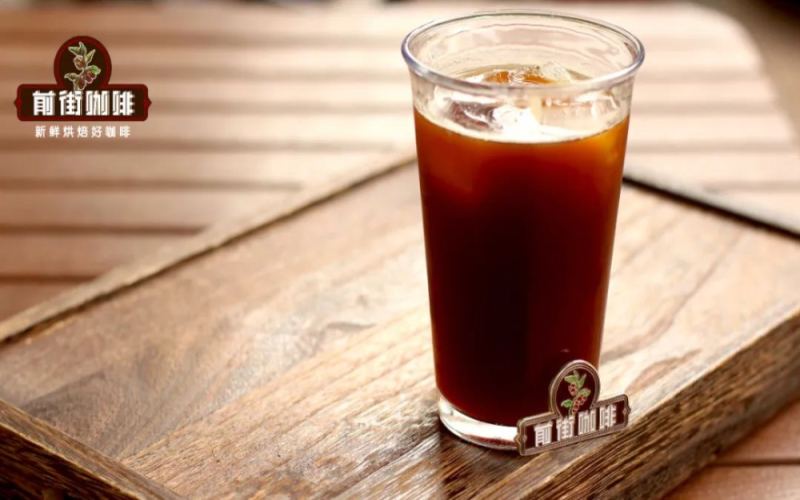
How Much Ice Makes an Authentic Iced Americano? A Deep Dive into the Secret Behind Coffee Shop Ice That Resists Melting
When drinking iced coffee, have you ever agonized over how much ice to add and how to add it properly? In fact, ice in iced coffee is far more than just a way to cool things down—it also plays multiple roles, such as locking in aroma, maintaining a low temperature, and balancing concentration. Starting from the principles behind how ice works, this article breaks down in detail the differences between solid ice and hollow ice, the advantages of refrozen ice, and, for different categories such as iced Americano, iced latte, iced pour-over, and cold brew and ice drip, provides specific ice-to-coffee ratios and Front Street brand recommendations to help you make a cup of iced coffee at home that isn't watered down and has plenty of aroma. [more…]

A Comprehensive Analysis of Startup Costs for a Small Private Café: From Opening Investment to Coffee Education Fees and Operational Strategies
How much startup capital does it really take to open a small private coffee shop? And how much does it cost to learn coffee-making? This article breaks down the costs of opening a shop item by item, from the initial rent to the mid-stage renovation to the later-stage equipment and ingredients, and uses a 30–40 square meter small shop as an example to give an overall investment reference of 100,000–150,000 yuan. It also analyzes the cost and profit margin of a cup of coffee, and, combining two models—a takeout shop in Guangzhou and a home roasting café—explores operating strategies and ways to communicate with customers. Finally, it introduces the price range of coffee-learning courses. Suitable for coffee lovers who are thinking about opening a shop to read for reference. [more…]
A Comprehensive Analysis of Congo's Coffee Producing Regions: The Cultivation Distribution of Arabica and Robusta and the Path to Industry Revival
The Democratic Republic of the Congo was once a major coffee exporter in Africa, with annual exports reaching as high as 120,000 tons in the 1970s. However, civil war and political turmoil once drove its coffee industry to rock bottom, with exports plummeting to just 10,000 tons in 2002. Today, this large African country with a population of 87 million is rising again thanks to its superior natural conditions, gaining international attention for its high-quality Arabica coffee. From Ituri to Grand Nord, from Petit Nord to Bord du Lac, each major producing region displays its unique terroir charm. Front Street Coffee takes you on an in-depth look at Congo's coffee varieties and distribution, the characteristics of its producing regions, and the severe challenges the local industry faces in terms of corruption, financing, infrastructure, and security, as well as its hopes for revival. [more…]
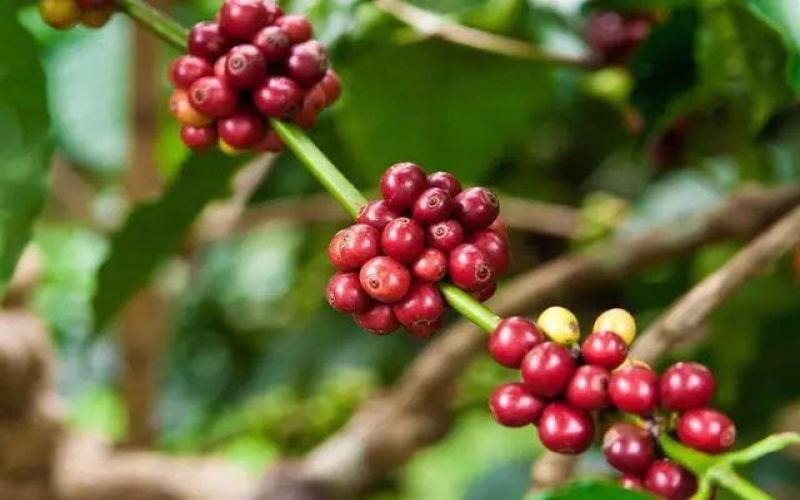
An Analysis of the Galápagos San Cristóbal Island Coffee Region: Organic Growing Conditions and Flavor Characteristics
The Galápagos Islands are located in the eastern Pacific Ocean, about 1,000 kilometers from the South American mainland, and were formed by the accumulation of undersea lava. Among them, the coffee produced on San Cristóbal Island is considered the finest coffee in Ecuador, with unique natural geographical conditions and an organic growing environment. This article will guide you through the geographical overview and historical background of the Galápagos Islands, the coffee-growing history and flavor characteristics of the San Cristóbal production area, and also share Front Street Coffee's brewing suggestions for this bean, helping coffee lovers gain a comprehensive understanding of this organic specialty coffee from the island of giant tortoises. [more…]
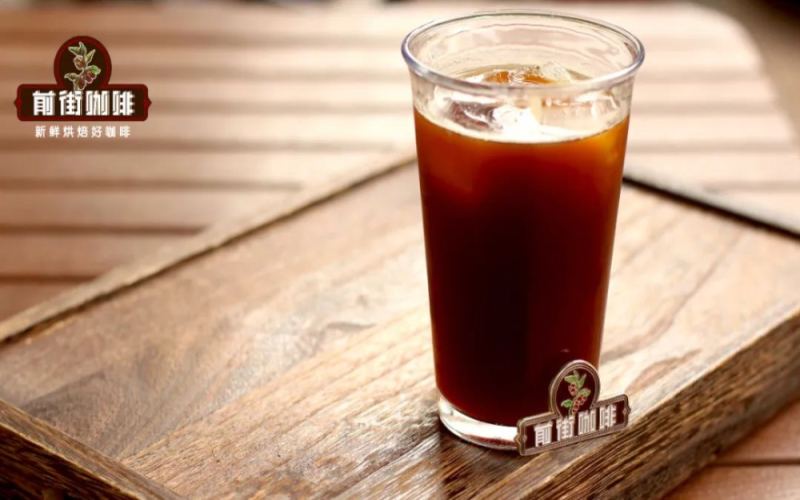
The Art of Adding Ice in Iced Coffee Making: A Full Analysis of Cooling, Aroma Locking, and Ratio Techniques
Whether iced coffee tastes good often hinges on the step of adding ice. Ice is not just a cooling tool; it also locks in aroma and maintains a cold mouthfeel. How much ice to add, what kind of ice to choose, and how to ratio different coffees—these questions trouble many enthusiasts. Drawing on Front Street Coffee's practical experience, this article first explains the three major functions of ice in coffee, then analyzes the differences between solid and hollow ice, and between large and small ice, and finally provides specific ice-adding plans for iced Americano, iced latte, iced pour-over, and cold brew/ice drip, helping you make consistently delicious iced coffee at home. [more…]
Tanzanian Kilimanjaro Coffee Beans: A Complete Guide from Origin and History to Brewing Methods and Flavor Profile
Kilimanjaro coffee is one of the representatives of African specialty coffee, grown in the volcanic soil region at the foot of Mount Kilimanjaro in Tanzania. This article systematically reviews the origins and producing-area background of Tanzanian coffee, analyzes the flavor characteristics and quality performance of Kilimanjaro AA-grade beans, and provides a detailed introduction to various single-origin brewing methods as well as the key points of blending and specialty coffee preparation. It also compiles compositional data for green beans and roasted beans, helping coffee enthusiasts gain a comprehensive understanding of this coffee hailed as "the most African in character." [more…]
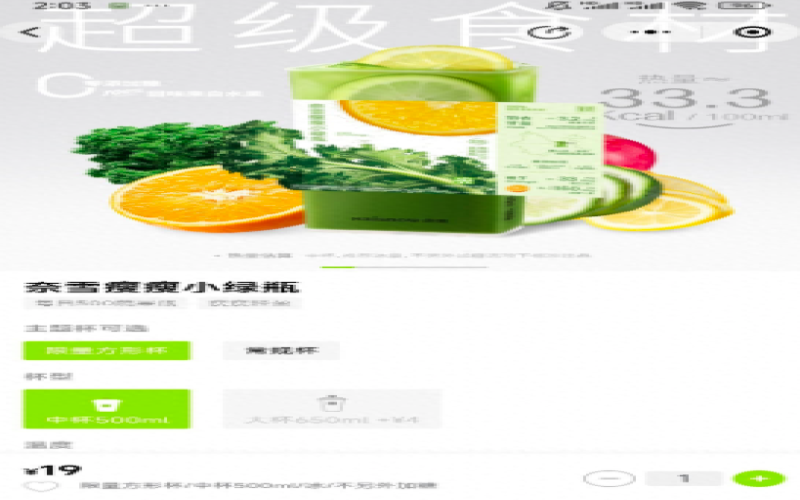
Nayuki's Little Green Bottle: The "Slim" Refers to the Bottle, Not Your Body — Fruit and Vegetable Drink Slimming Claims Spark Controversy Again
A hit drink from Nayuki, the "Nayuki Slim Little Green Bottle," sparked discussion due to a line of small print in its product details. In the official explanation, "slim, light" refers to the new square bottle shape being slimmer and more portable, not to the drink having any functional benefits. Many consumers had assumed it was a fruit-and-vegetable tea suitable for people trying to lose weight, and were taken aback after learning the truth. This kind of situation is not an isolated case—fruit-and-vegetable drinks from brands such as Good-meh and Luckin also often use "body-slimming" and "light-body" as selling points, then add clarifying small print. How many calories are actually in a cup of kale drink? The gap between merchants' marketing and consumers' understanding deserves the attention of every coffee and tea lover. [more…]
A Hangzhou cleaning lady's 5-yuan DIY blind box milk tea goes viral: Why does the blind box economy keep igniting consumer crazes?
Recently, a "blind box milk tea" made by a company cleaning lady in Hangzhou has trended on Weibo, selling for only 5 yuan per cup, prompting employees across the company to queue up and snap it up daily. The lady learned to make it herself because her daughter loves milk tea, and set up a stall in the office pantry; business became so booming that she had no time for square dancing. Coincidentally, in April this year, the blind box milk tea launched by the Mixue brand in Qingdao also went viral, driving the store's daily revenue from 3,000 yuan to over 10,000 yuan. The blind box economy has shown staggering cross-industry appeal in recent years—from toys to milk tea, it seems to make anything it touches a hit. This article will walk you through the story of blind box milk tea's rise, analyze the origins, characteristics, and underlying marketing logic of the blind box economy, and explore how brands can use blind boxes to achieve long-term business success. [more…]

Blue Bottle Coffee's second mainland China store opens in Jing'an, Shanghai, with significantly shorter queues than the first store
Blue Bottle Coffee, hailed as the "Apple of the coffee world," opened its second store in mainland China on August 5 at Shanghai's Jing'an Kerry Centre. Unlike its first store by the Suzhou Creek, this new location is rooted in the Nanjing West Road commercial area, with a two-story space of over 500 square meters and about 160 seats, mainly targeting white-collar workers. The design incorporates traditional Chinese roof tile elements, using more than 13,000 handmade terracotta bricks. On opening day, queues were still necessary, but the wait time had shrunk from seven hours at the first store half a year ago to about 25 minutes. Blue Bottle Coffee has not joined the domestic price war, maintaining its niche specialty pricing of 28 to 50 yuan. [more…]

ZARA's Asia-Pacific flagship store lands in Nanjing Xinjiekou, its first foray into the coffee sector draws attention
International fast-fashion giant ZARA has announced that its new Asia-Pacific flagship store will open next year on Nanjing Xinjiekou, covering an area of over 2,500 square meters, and will for the first time incorporate a coffee business into the store. This move is not an isolated case. In recent years, luxury brands such as Tiffany, Gucci, and Louis Vuitton have all dipped their toes into coffee marketing, attempting to close the distance with consumers through immersive experiences. Is coffee a powerful tool for enhancing brand loyalty, or has it merely become a gimmick for photo opportunities? Consumers have mixed opinions on this. This article will outline ZARA's coffee layout, review cases of major brands venturing into coffee, and explore the business logic and market feedback behind this trend. [more…]
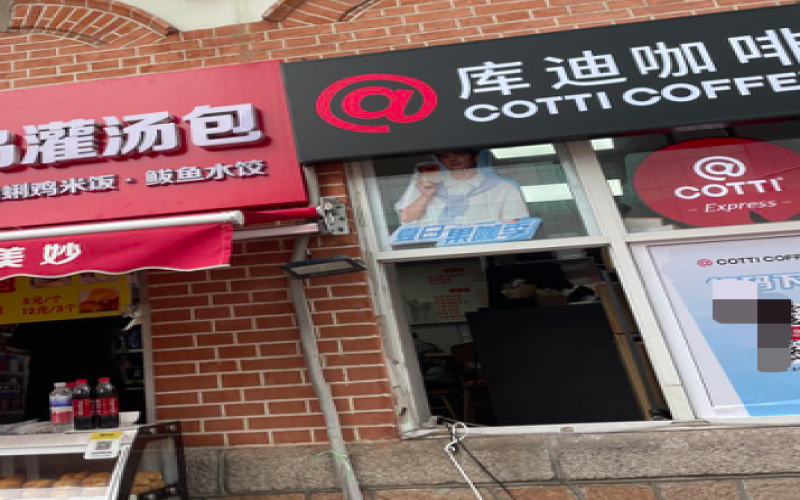
Cotti Coffee's store-within-a-store model sparks debate: from bun shops to pet hospitals, convenience hides hygiene concerns
Recently, a netizen tried to find a Cotti Coffee store using mobile navigation, only to be surprised upon arrival to discover that the coffee shop was actually located inside a soup dumpling restaurant. This netizen's sharing quickly resonated with consumers everywhere, who then posted their own encounters with Cotti stores in places like Lawson convenience stores, service halls, ramen shops, pet hospitals, and even skateboard shops. Since launching its convenient store model in May this year, Cotti has claimed that "a store can be opened with just 1 square meter," and plans to expand by 8,000 convenient stores in the second half of the year, aggressively penetrating into various small and micro commercial scenarios with rapid expansion. However, while the brand accelerates its layout and strives to achieve "Cotti within 100 meters," consumers have raised serious concerns about the hygiene conditions, product quality control, and food safety risks of this store-within-a-store model. Front Street Coffee is also paying attention to this industry phenomenon, believing that balancing convenience and quality will be an urgent issue for Cotti to address. [more…]